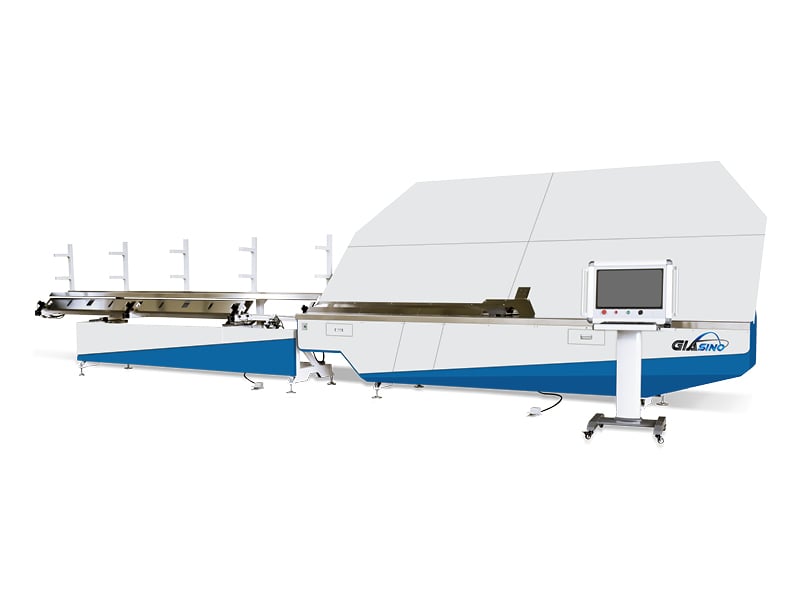
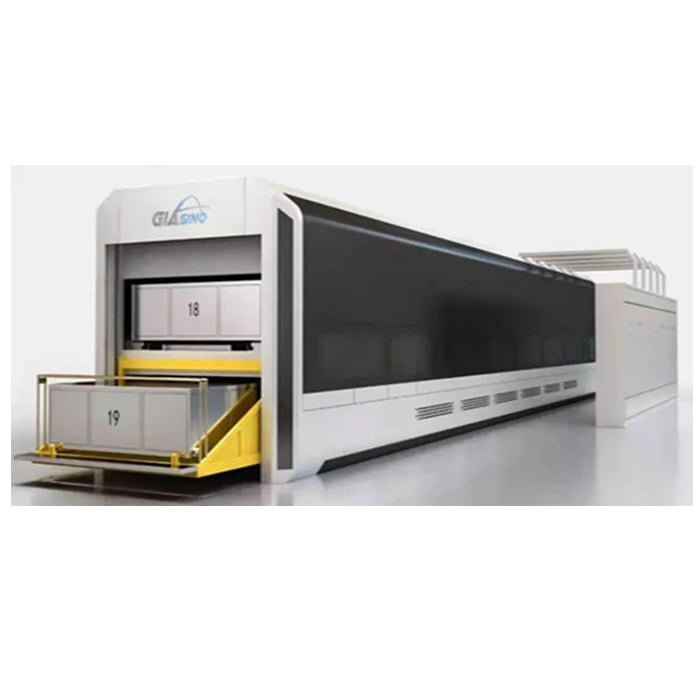
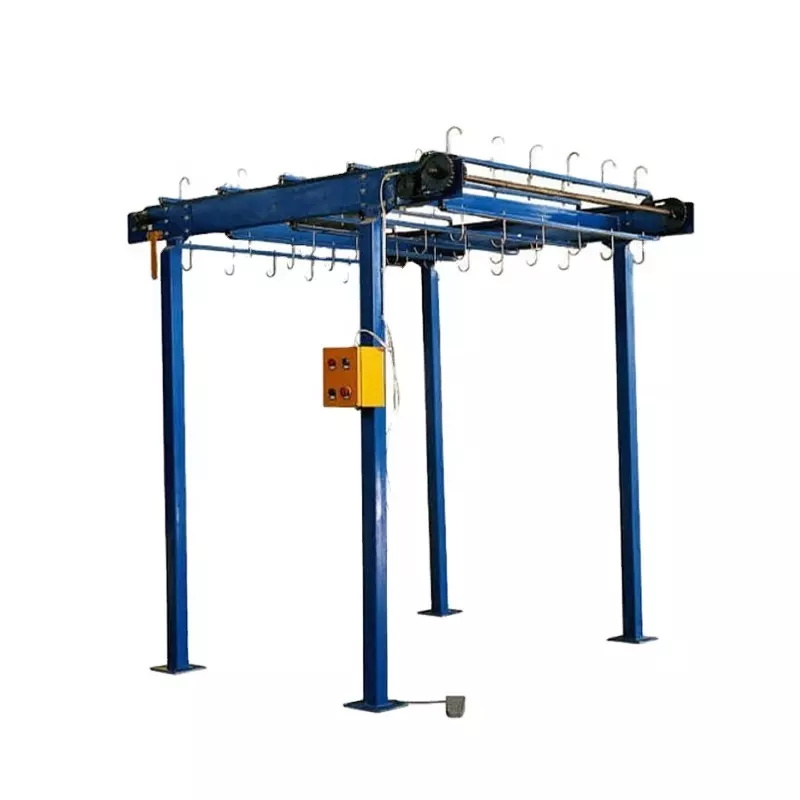
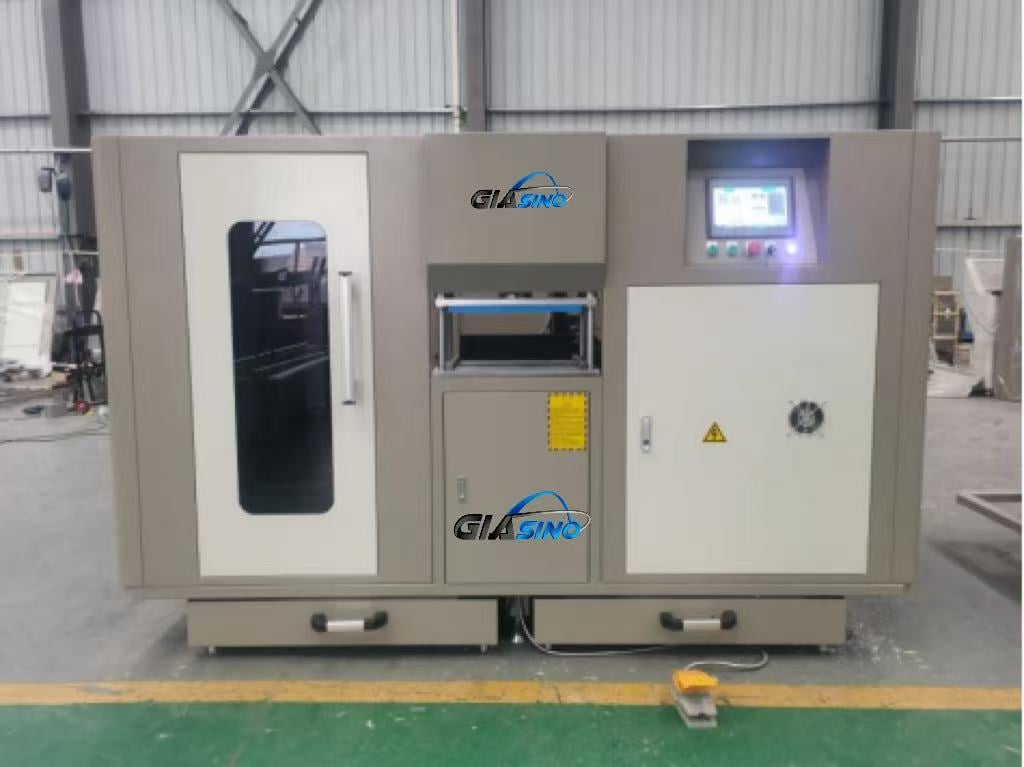
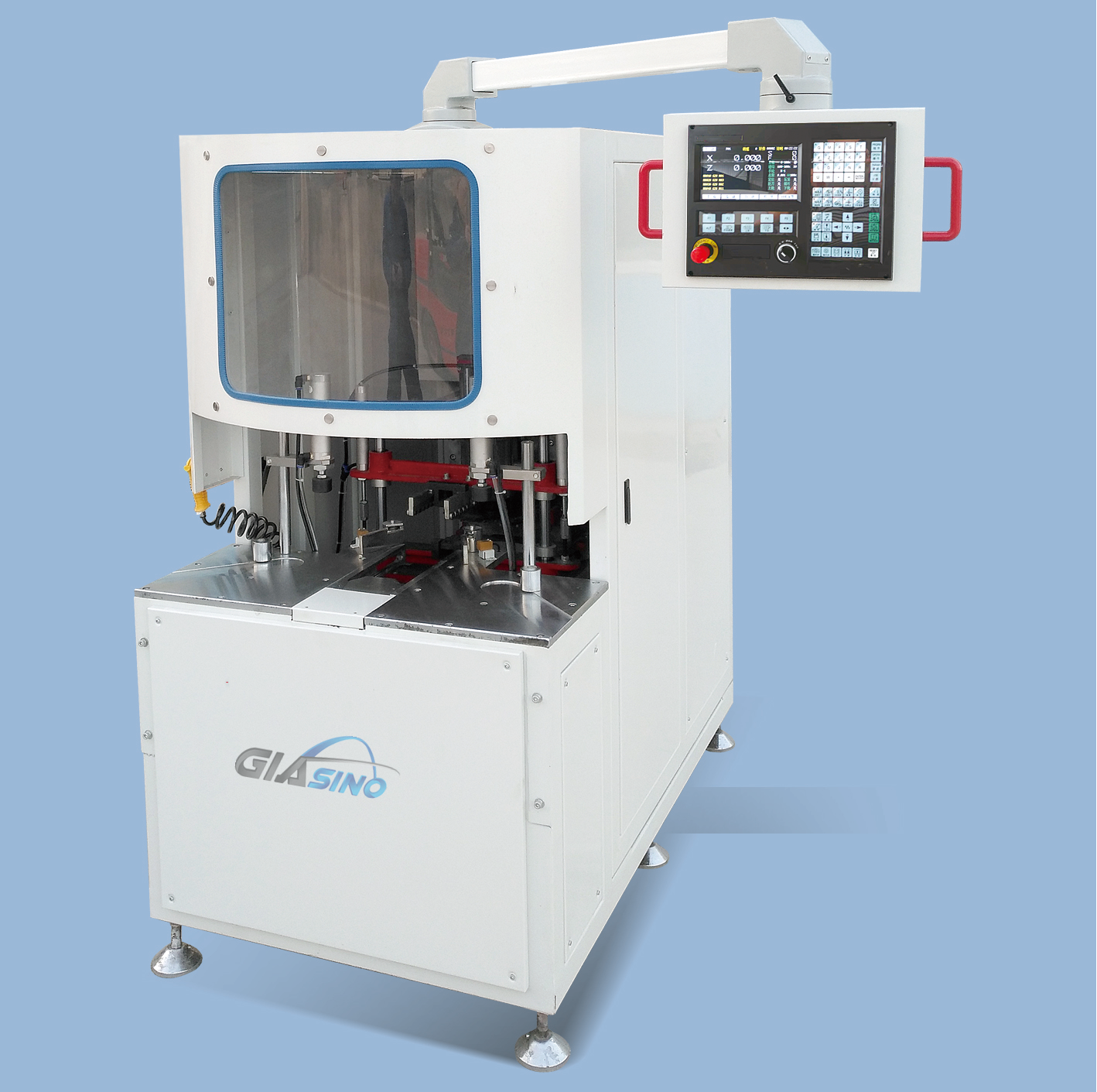
Making various things from metal is a fun and creative way to experience in real life. One of the most important pieces of equipment used by metalworkers is a tempering furnace. This type of furnace is specifically created to add strength and durability to metal. In this post I am going to explain you how tempering furnace works, How it strengthen the metal and last but not least where do we use tempered metal in real life.
To truly appreciate the inner workings of tempering furnaces, it is necessary to first explore how metal actually gets its strength. A metal is built of tiny grains, and the strength originates from these conspiratorial pieces. These are real small tings and they come in various styles. In the heating process of metal, grains actually move away from each other and makes the material softer which leads to weakening of it. However, when metal cools down the grains grow larger and you get hardness and strength.
A tempering furnace heats the metal to a controlled temperature and then cools it slowly. This process of heating and cooling is most important, as it helps the grains coagulate in such a manner that still be able to strengthen the metal but also making sure its bond together. A tempering furnace can give metalworkers the properties they need in order for a large range of applications to be possible.
Stress pertains to the amount of pressure, or force a metal can take before it breaks. Especially when it comes to safety, metal products must be able to absorb enormous components and ensure function. By way of instance, a structure or construction ought to be constructed from iron steel for being able to carry structural loads and continue standing solid. That is why tempering in metalworking so important!
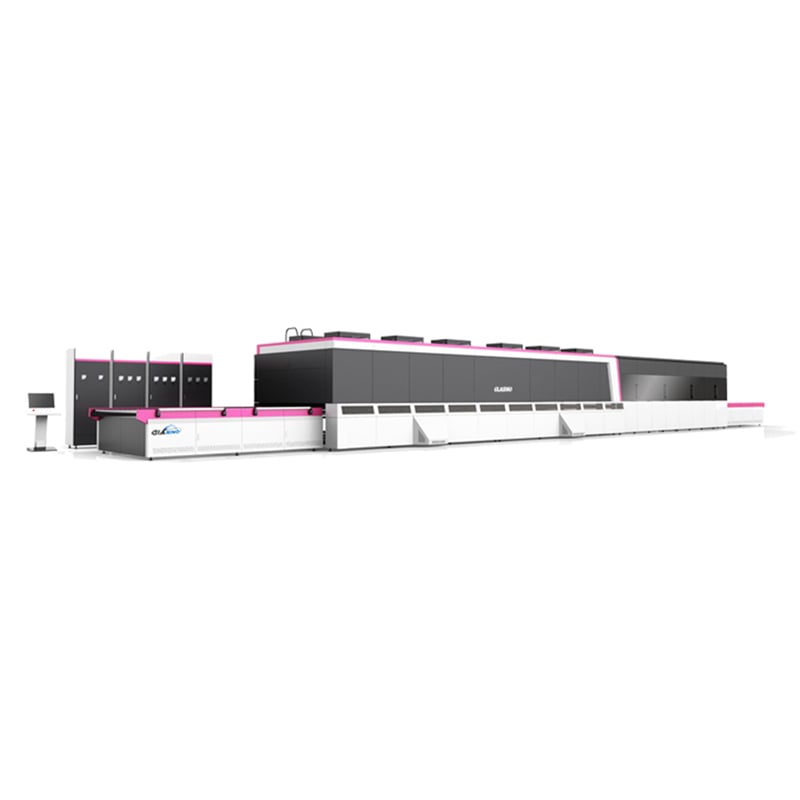
A tempering furnace is one of the crucial tools in metallurgical application as it contributes a lot to make metal more worthwhile. Some of these qualities are: its strength, hardness,toughness and ductility( how much it can bend without breaking). Metal is something which can be heated in a tempering furnace, it will soften and with this more malleable as well, so we are able to change into several shapes.
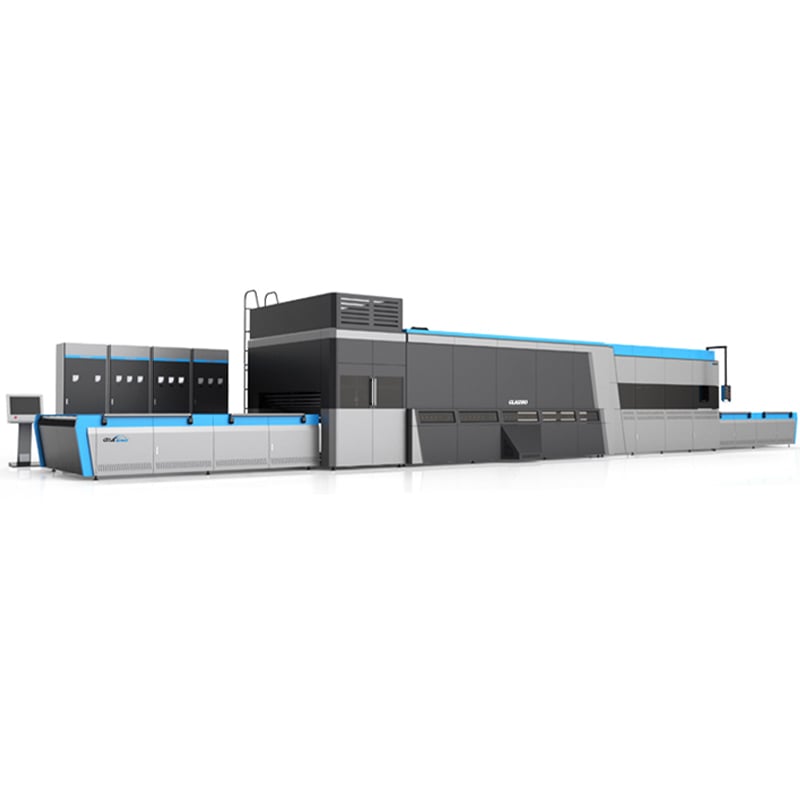
Tempering is one of the most vital lines in a metalworking process. If it were not for this crucial process, steel assemblies would at best be weaker and less capable of handling all the forces that they are exposed to. For instance, metal that is not tempered could snap or bend when force on it. Tempering ensures that metal is versatile enough to be effectively used in construction, transportation and all kinds of other manufacturing processes.
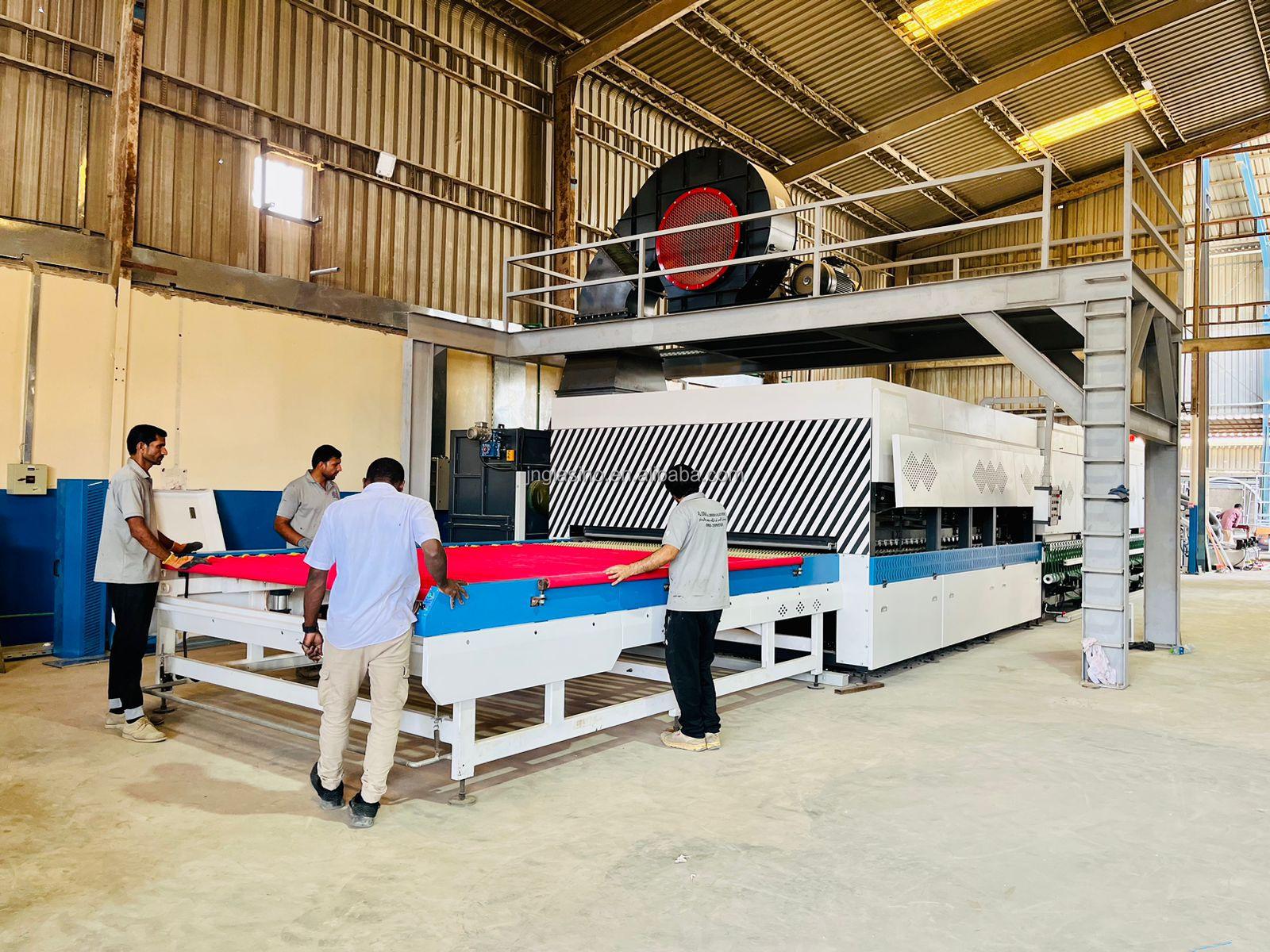
Manufacturing is another field in which tempered metal see a great deal of use. This is a common steel product in the industry and most big factories also deal with machine parts which need to be particularly reliable and cannot break because it may lead on any kind of accidents. These components are essential for substances operating errors free security. In addition, tempered metal is also significant in engineering. Just take for example, aerospace and other motor vehicle applications where tempered steel is commonly found throughout the design to construction process. It does so, because it is able to be strong and hold its form even when subjected to a lot of stress.
The company is focusing on innovation in production technology Create new technologies and innovating with the tempering furnace of the existing technology Improve the manufacturing technology of the product more efficient Keep your product competitive on the market
Our factory is tempering furnace to take advantage of economies of scale through the introduction of advanced production equipment and technology manual work is reduced Moreover the speed of production for high-efficiency equipment tends to be faster which can quickly complete the production task and boost the speed and efficiency
According to the market situation, the factory adjusts the production plan according to the market conditions in order to accommodate the tempering furnace market demands and keep its competitive edge. Develop flexible production lines and make use of information technology to meet the demand of the market. Change production plans in timing.
A tempering furnace quality inspection is conducted to decrease the chance of defective products and increase the customer's satisfaction. A well-established quality management system is in place to guarantee constant quality control. Better inspection and testing methods
 EN
EN
 AR
AR
 FR
FR
 DE
DE
 PT
PT
 RU
RU
 ES
ES