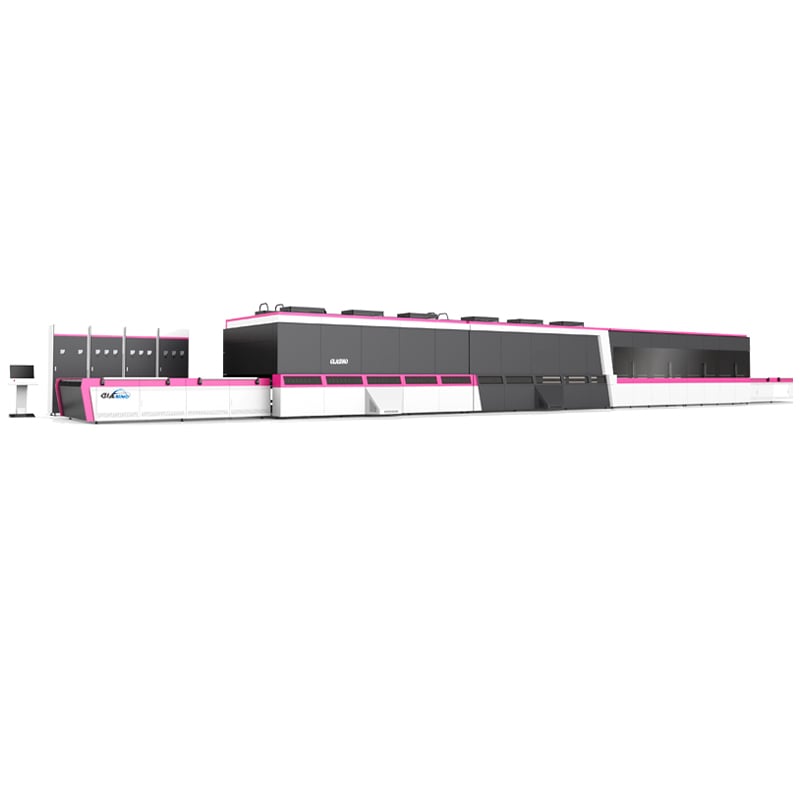
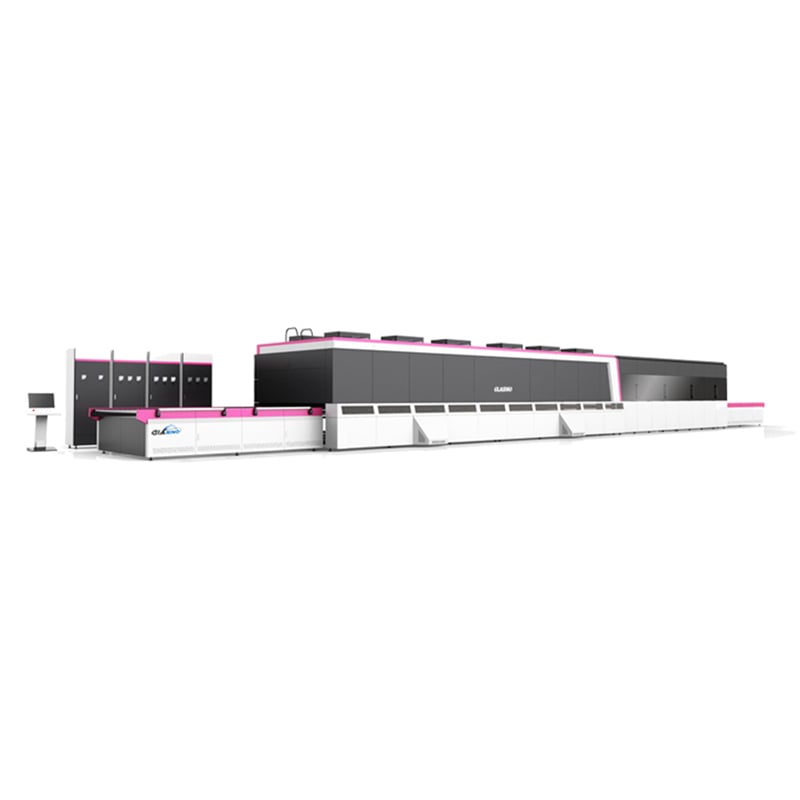
Ever wonder how the glass in your windows can be so strong and not break easily? An essential part of the puzzle is handled by an advanced device named flat glass tempering furnace. So if you want to know how that thing works and why it is useful, keep reading. We will also discuss the different kinds of flat glass tempering furnaces, share some maintenance tips to help you keep your furnace in top working condition, and list what factors need consideration before purchasing one for yourself.
Process of a flat glass tempering furnace is accomplished by increasing the temperature of the glass to extremely high levels followed by very rapid cooling. It is a special process called tempering which makes the glass several times stronger and tougher than ordinary glass, making it almost impossible to break. First of all, when glass is freshly made it can be cracked if drops or hits come to the area. The most important of all is safety, and ideally tempered glass can withstand much more force that the ordinary one can.
A separate big space where the glass is being heated up inside the furnace. Some furnaces can reach a very high temperature — far hotter than boiling water. The glass, too, is driven up to the proper temperature nearly instantaneously by two bursts of cold air. This process of heating and cooling is what gives the glass its extra strength and prevents it from shattering when subjected to sudden changes in temperature. It also provides stress fractions against the glass breaking.
It can also withstand sudden temperature changes without breaking like regular glass. This implies that if it is exposed to scorching sunlight, then a cold wind the next minute, and as such will not crack or shatter readily. what is more, tempered glass are additional sturdy and will not scratch as simply as standard plate. This makes it able to serve you for a long time without the need of replacing them in midway which on your other side end by saves money. Tempered Glass is Eco-Friendly Tempered glass can be recycled more easily than regular glass so this an advantage, particularly for the environmentally conscious.
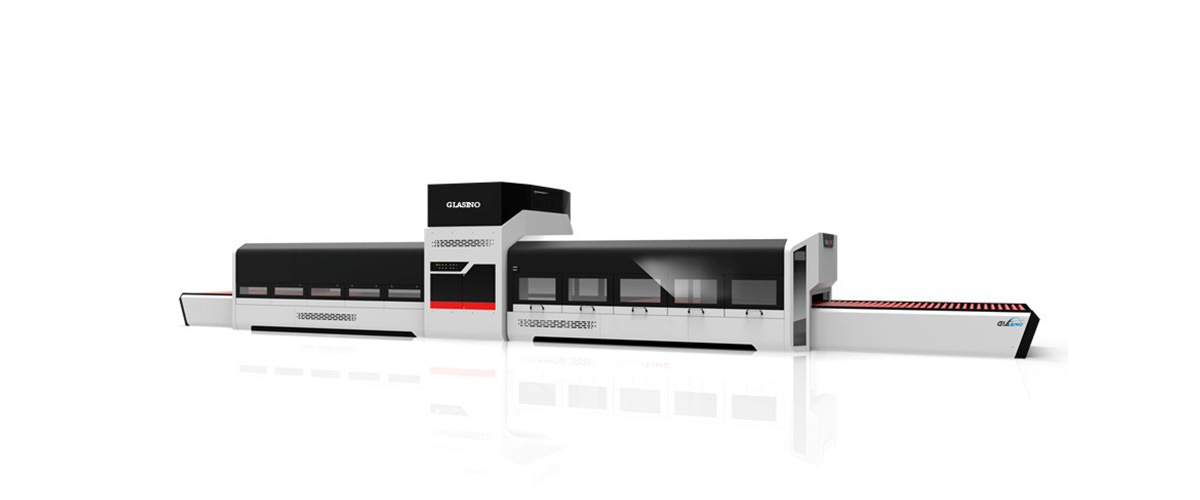
It covers a variety of flat glass tempering furnaces on the market. They can be either convection furnaces, using fans to circulate hot air around the glass and body; It will help to warm the glass consistently to ensure that it gets tough on all sides. Another kind is a radiation furnace, which heats the glass by using heating elements. While this type heats the glass more rapidly, it may not heat as evenly as convection furnaces. There is finally a hybrid furnace that uses convection and radiation heating both []
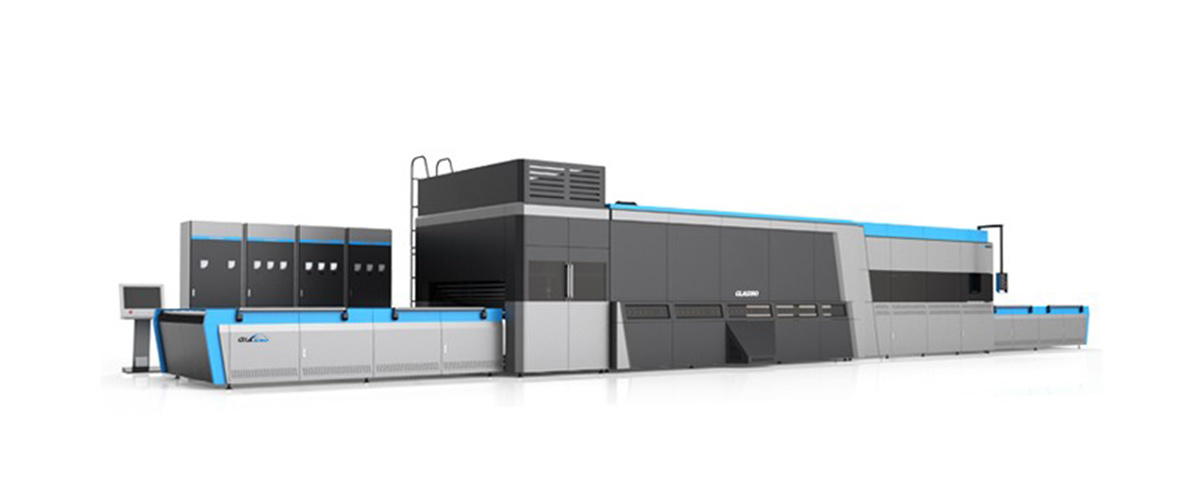
There are in fact both pros and cons of each type of furnace. Key point to note: Whilst convection furnaces evenly heat the glass, they might also take longer to reach temperature. On the other hand, radiation furnaces can heat up quicker but in many cases do not offer as even of a heating experience. On the other side of things, hybrid furnaces are considered to be a sort of "happy" median between one and two stage models but they come with cost for this convenience. Consider which type would be most fitting for you.
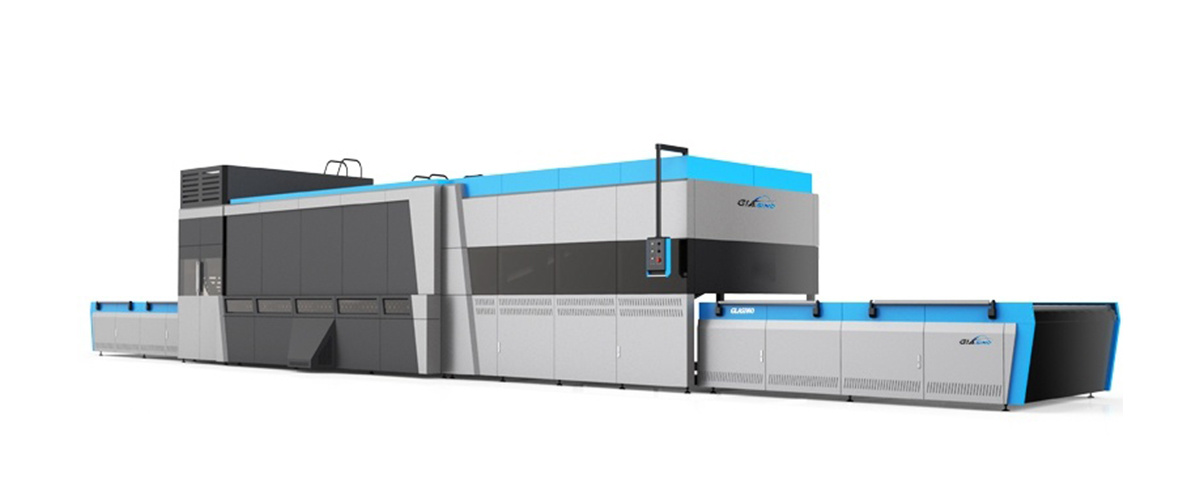
If you have come across the idea of a flat glass tempering furnace, and are considering purchasing one for yourself, there is much left to consider before arriving at an informed decision. To start with, you need to establish how large a furnace your needs demand because of the quantity of glass that you want it make. For instance, if you have a small business that makes glass products, then your furnace may be smaller as compared to one for more extensive production facility. There are also different kinds of furnaces available to the consumer, so you need to take into consideration what type is best for your situation and price range.
Strict quality inspection is carried out to reduce the amount of defective products and flat glass tempering furnace customer satisfaction. A solid quality management system that allows for continuous quality control. Improvements in inspection and testing techniques
According to the market situation, the factory adjusts the production plan according to the market conditions in order to accommodate the flat glass tempering furnace market demands and keep its competitive edge. Develop flexible production lines and make use of information technology to meet the demand of the market. Change production plans in timing.
The focus of the factory is on development of new production technologies flat glass tempering furnace new ways to use existing technologies and develop new ones Develop production techniques that make the product more efficient Stay competitive in your market
The factory can benefit from economies of scale Thanks to the introduction of automated production and flat glass tempering furnace manual work can be cut down High-efficiency equipment will also produce at a faster rate which will improve production efficiency and speed
 EN
EN
 AR
AR
 FR
FR
 DE
DE
 PT
PT
 RU
RU
 ES
ES